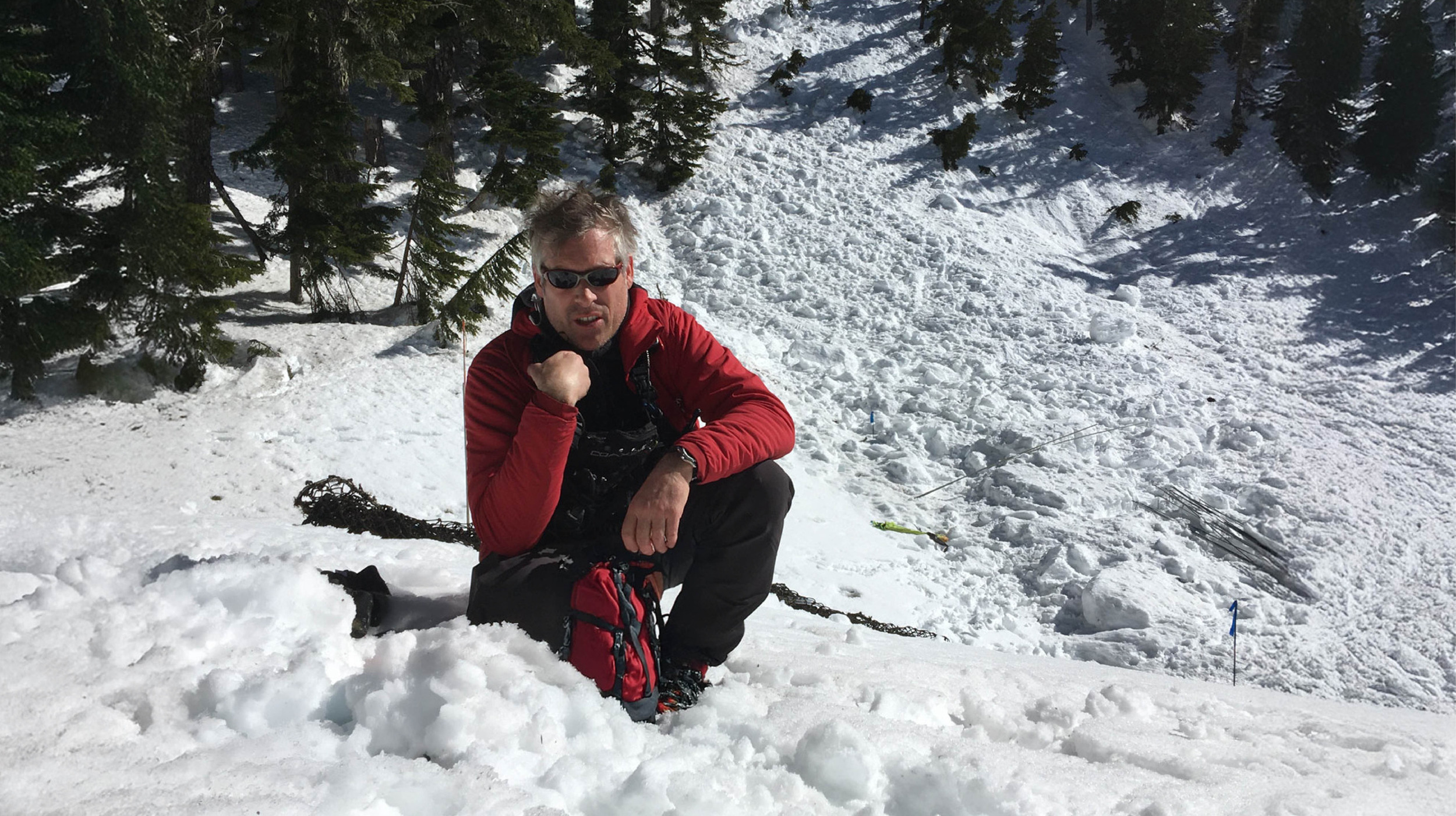

Avalanche rescue skills are critical in snow-covered, steep terrain where snowpack instability may exist. As soon as snow accumulates and slopes become capable of sliding, all relevant team members maintain proficiency in avalanche awareness and rescue techniques to ensure safe and effective operations in avalanche terrain.
Lions Bay Search and Rescue maintains a dedicated team of CAA Level 2–qualified avalanche forecasters who evaluate terrain complexity, snowpack structure, and avalanche hazard as part of operational planning. Their assessments inform travel decisions, task assignments, and risk management strategies, helping ensure safe movement of personnel during winter operations.
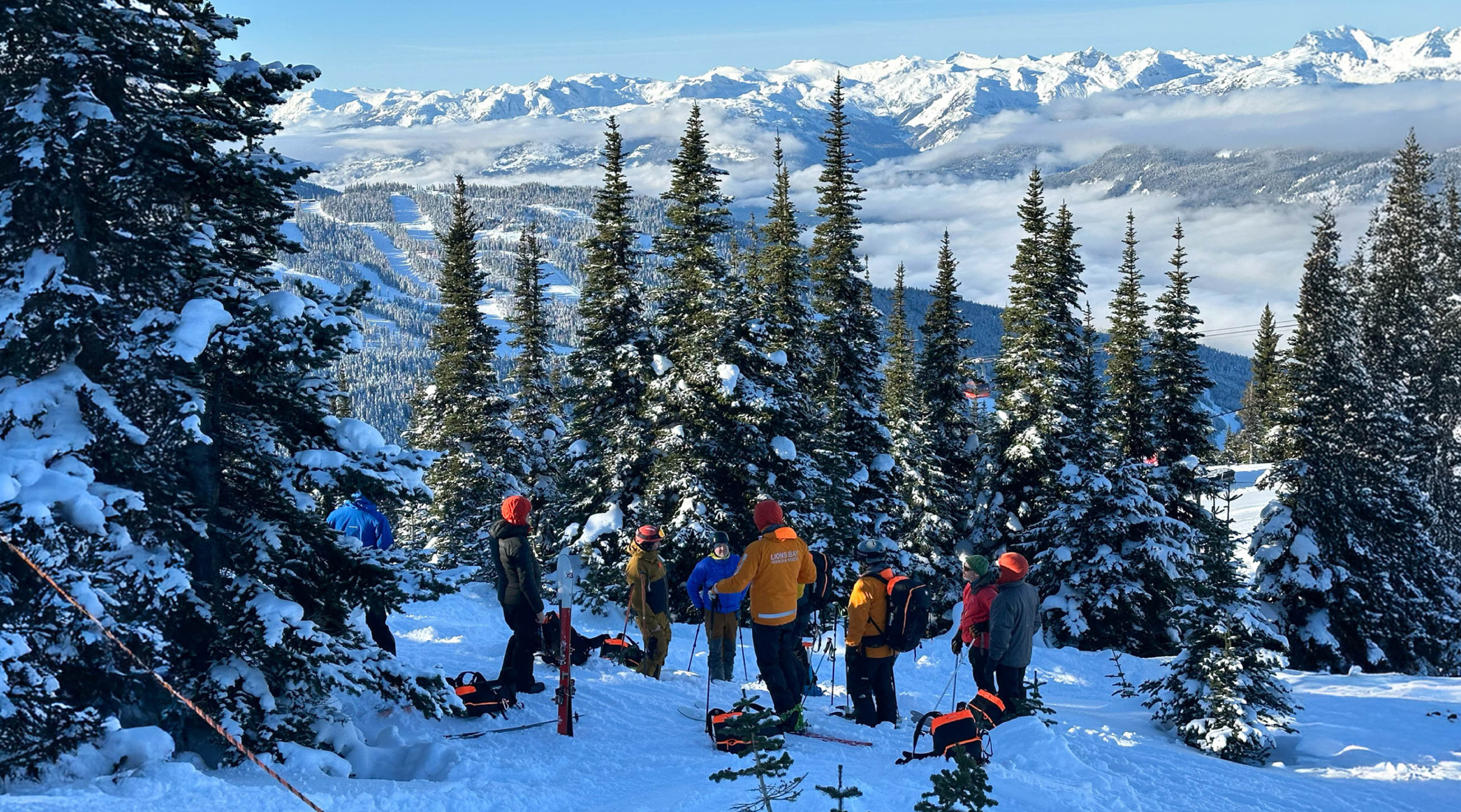
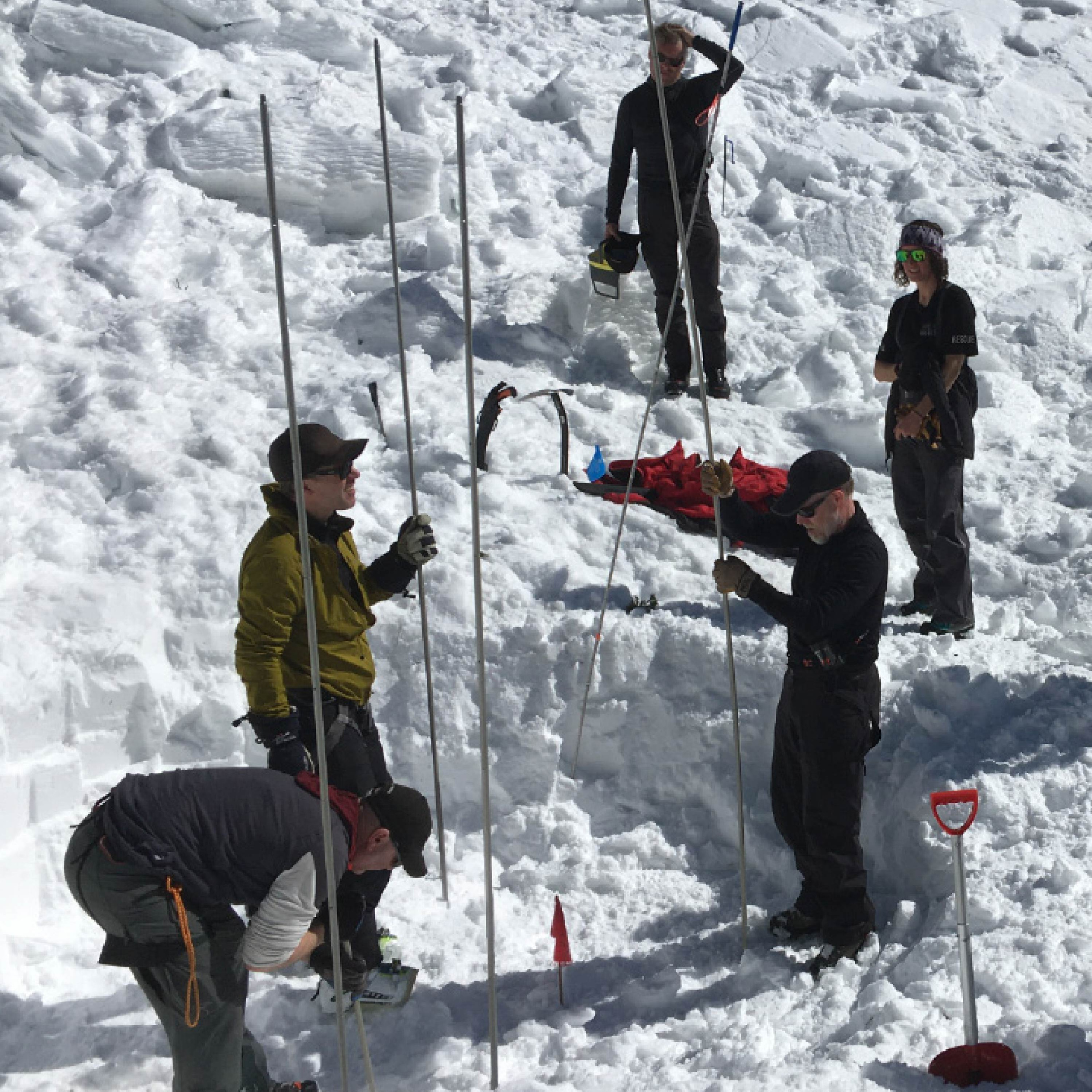
Our team follows industry-recognized training pathways aligned with the Canadian Avalanche Association (CAA) and provincial SAR guidance. This includes Avalanche Skills Training (AST) Levels 1 and 2, CAA Avalanche Operations Level 1 (CAA1), and advanced qualifications such as Operational Avalanche Rescue Technician Module (OARTM) and Operational Avalanche Rescue Team Leader (OARTL).
In addition to individual certifications, LBSAR trains in organized avalanche rescue (AvSAR) for complex and multi-burial incidents. These CAA-developed methods focus on coordinated team response, deep and close-proximity burials, structured probing strategies, and effective communication under high-risk conditions.

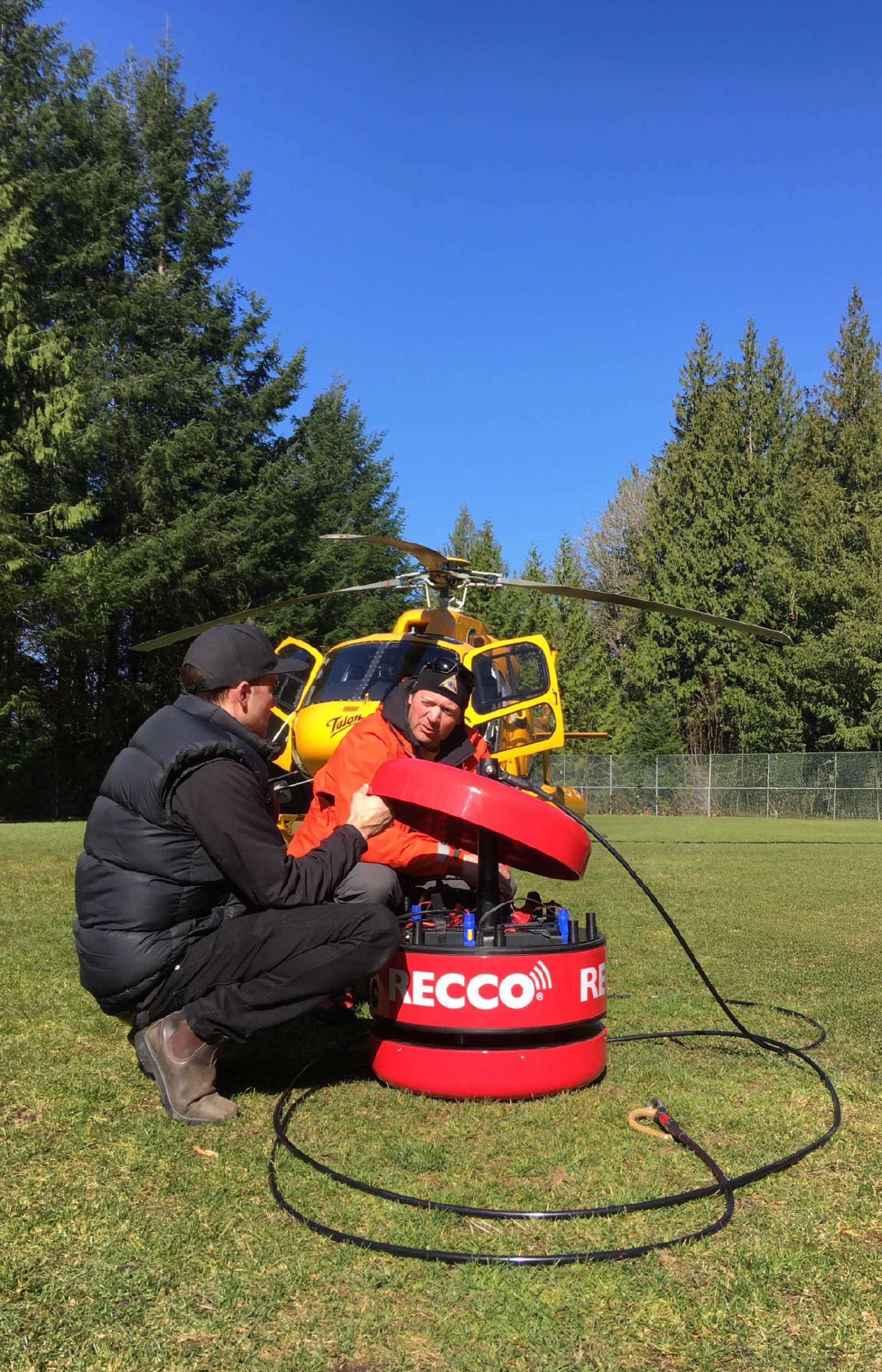
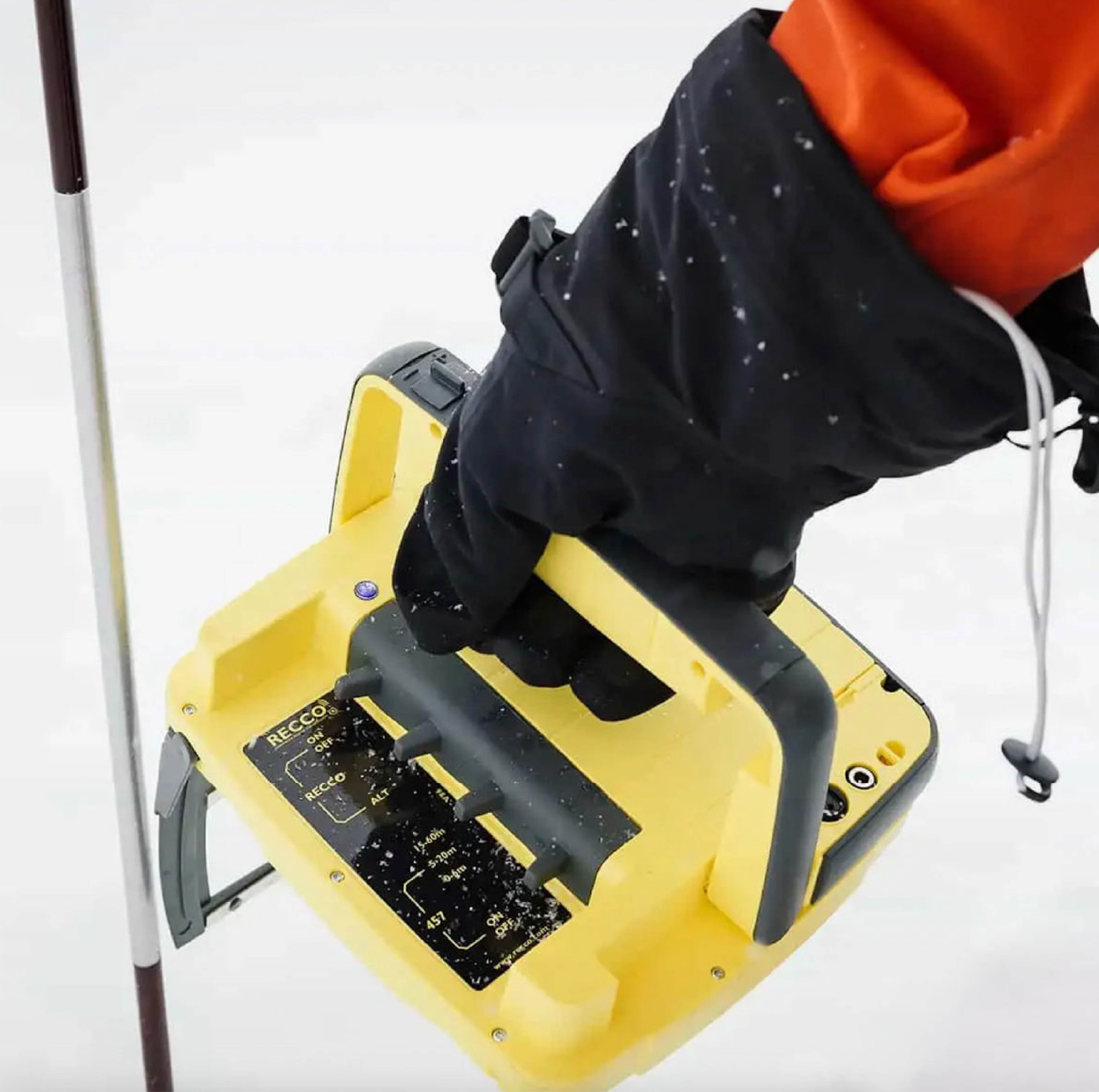
Some outdoor clothing and equipment now include RECCO® reflectors, which can assist professional rescuers using specialized detectors. While helpful, RECCO reflectors are not a substitute for a beacon, shovel, and probe, and should not be relied upon as a primary safety system. RECCO is most often used as a secondary or recovery tool, particularly in organized searches, and should be considered a last line of assistance rather than a preventative measure.
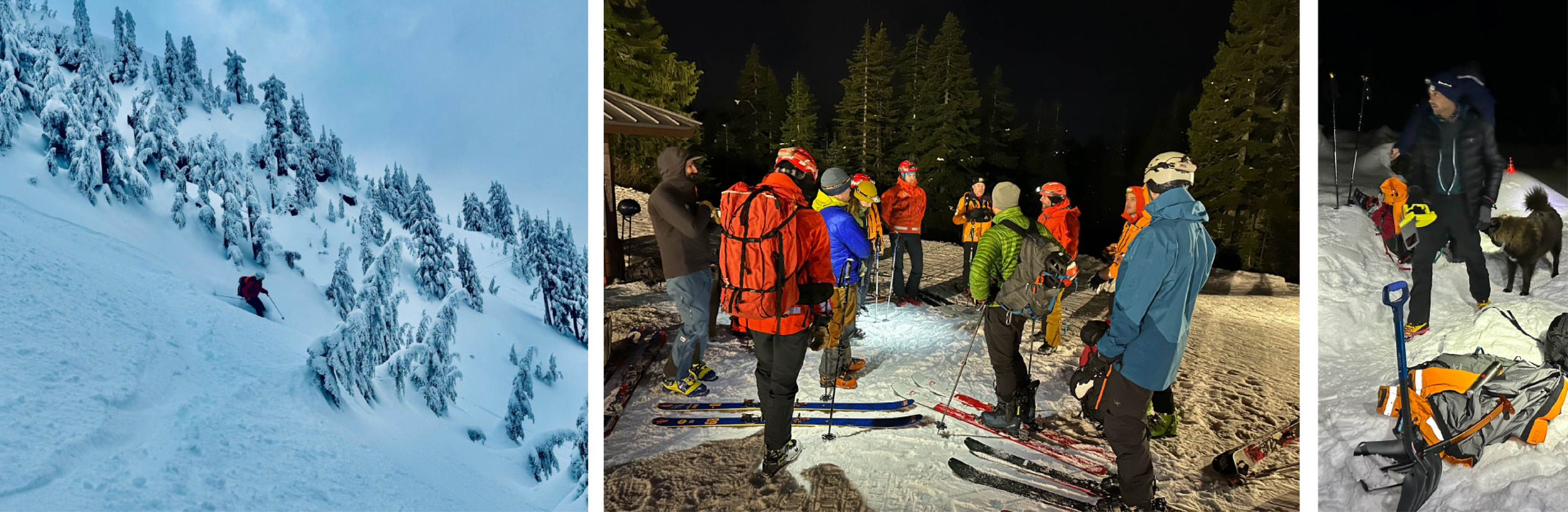
For anyone travelling in avalanche terrain, proper personal safety equipment is essential. This includes carrying a functioning avalanche transceiver (beacon), shovel, and probe, and knowing how to use them effectively. Travelers should also routinely review the latest conditions and forecasts from Avalanche Canada before venturing out, and adjust plans based on current hazard, weather, and terrain.