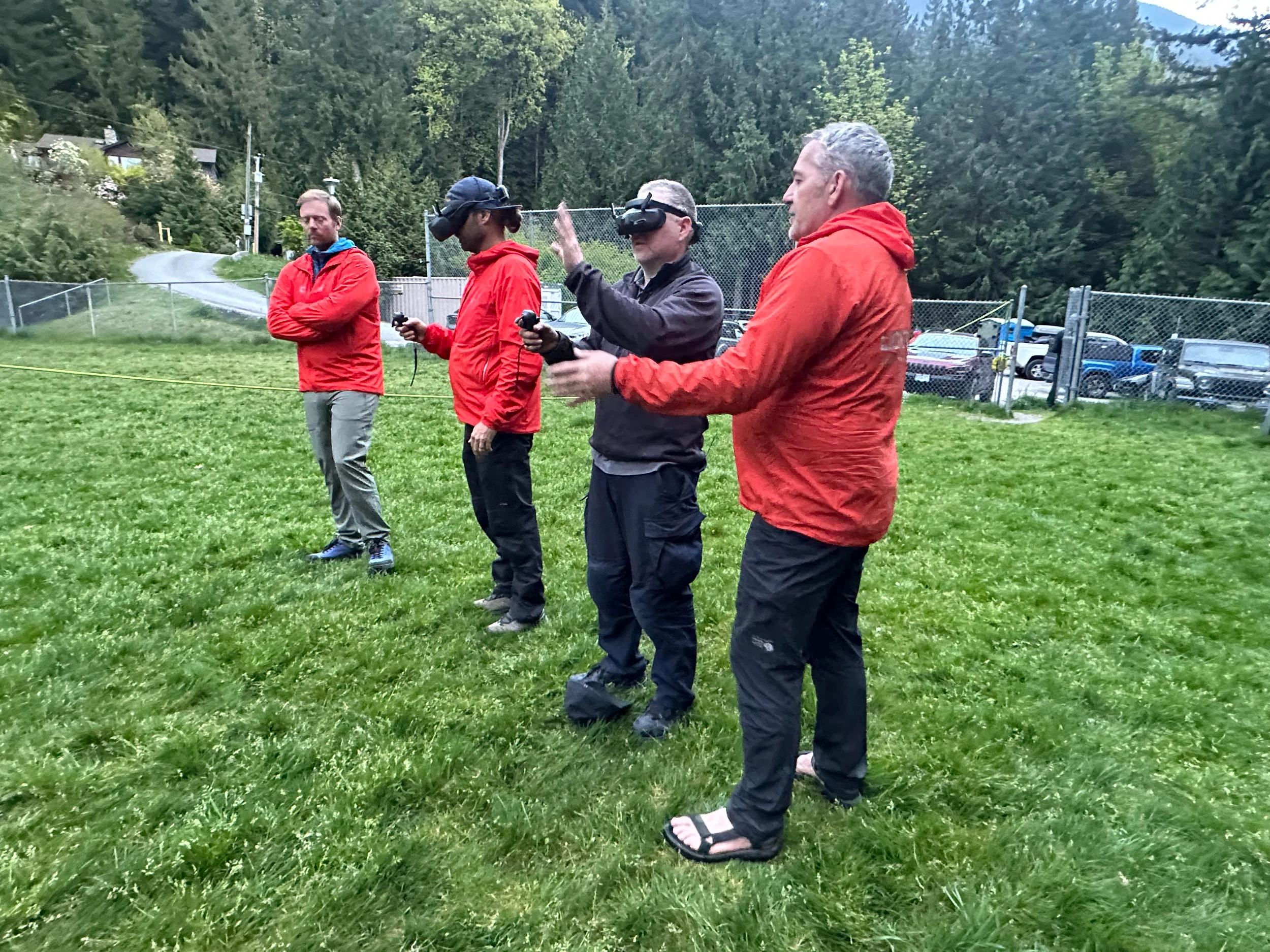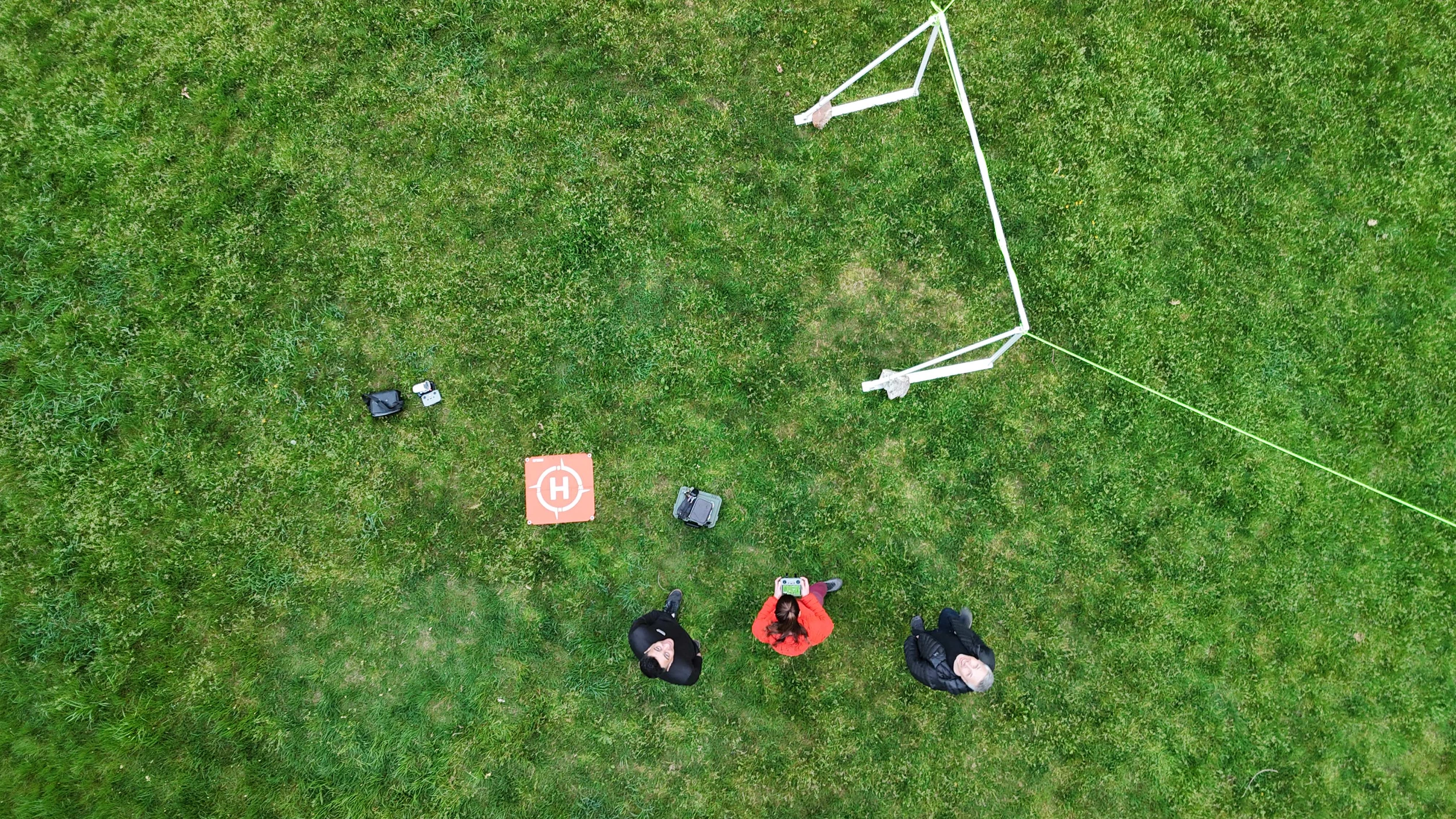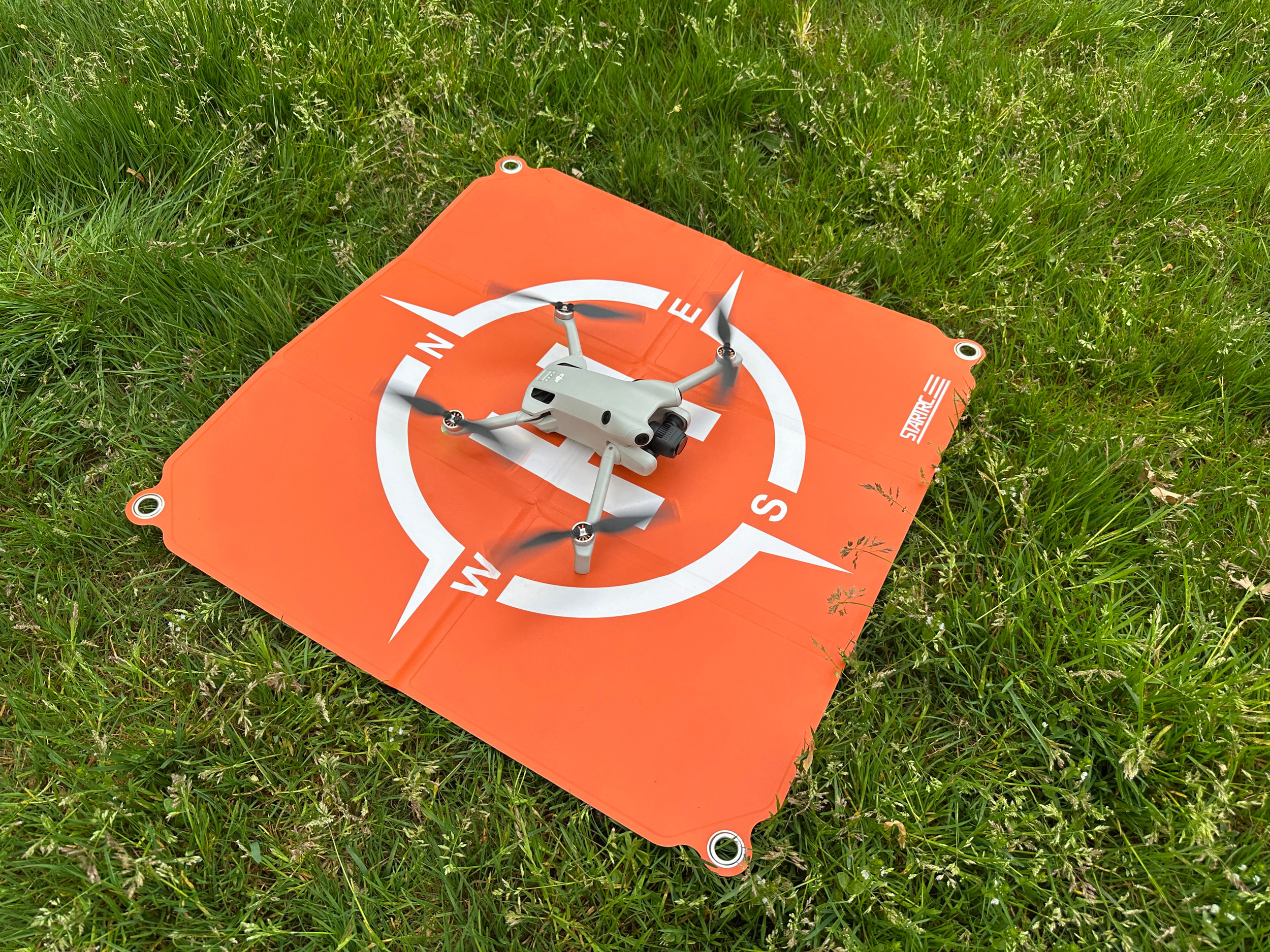

Drones have become an increasingly valuable tool in modern search and rescue operations. They allow teams to quickly gather aerial intelligence, search difficult terrain, and improve responder safety — especially in the early stages of an incident.
Drone deployments help search large areas more efficiently and identify hazards from above. In steep or technical terrain, aerial imagery supports teams in planning safe access routes before rescuers are exposed to objective hazards.
Training
Ongoing training ensures our members maintain proficiency in mountain environments and complex search scenarios.
As technology evolves, drones continue to strengthen SAR response - helping teams cover more ground and improve outcomes.
Public Safety
During active incidents, the public is asked not to fly personal drones near the area. Unauthorized drones can interfere with aircraft, delay rescue efforts, and create additional safety risks.
Drone Limitations
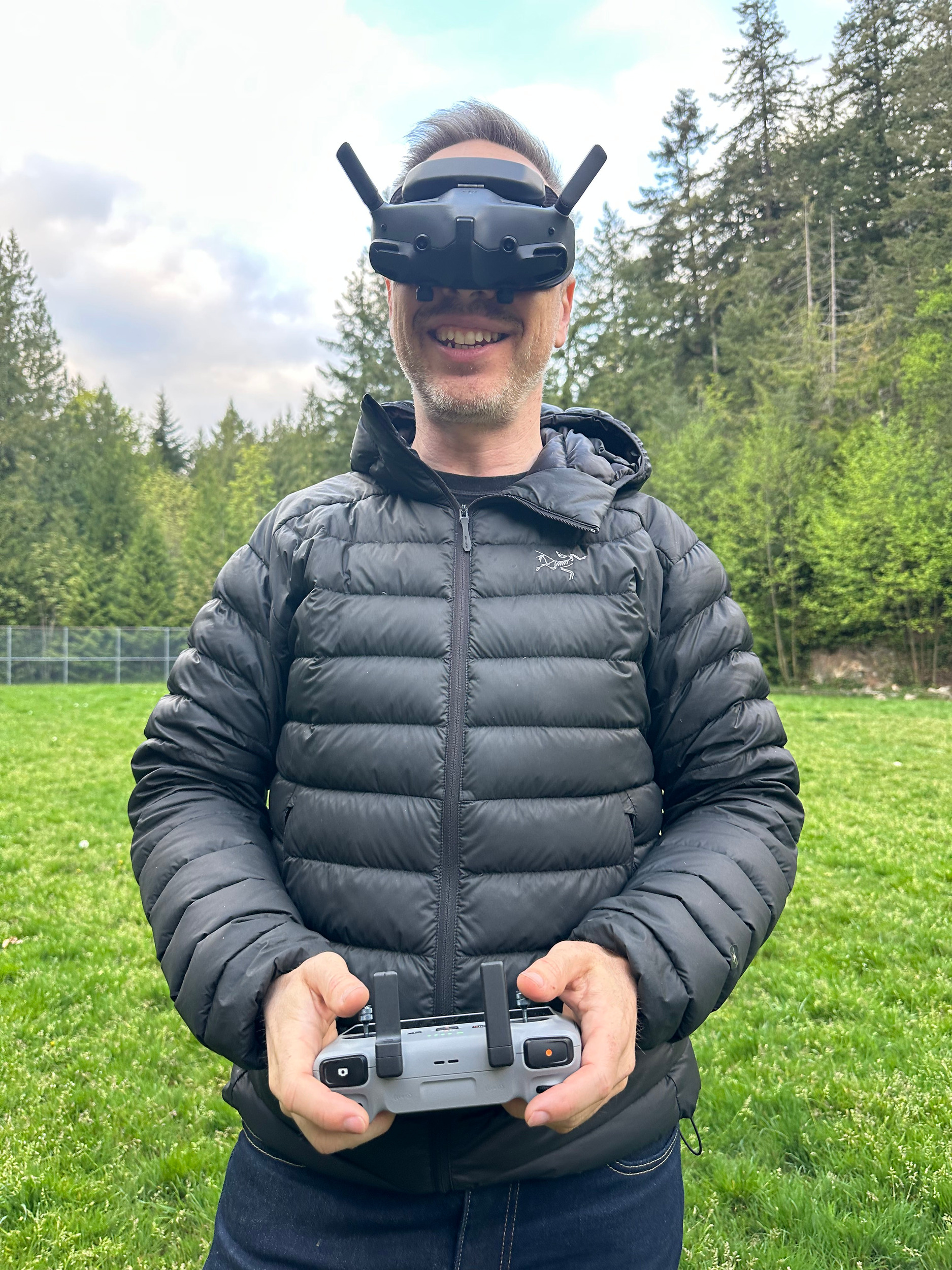
Drones do not replace ground teams, technical rescue, or helicopters. Their use depends on conditions such as weather, visibility, terrain, airspace, and mission requirements. When appropriate, they provide incident command with additional information to assess risk and make safer, more informed decisions.
All drone operations are conducted by trained SAR members under Transport Canada regulations and provincial SAR guidelines, with careful coordination around aircraft operations.